
Seven in the morning, before anyone else is in
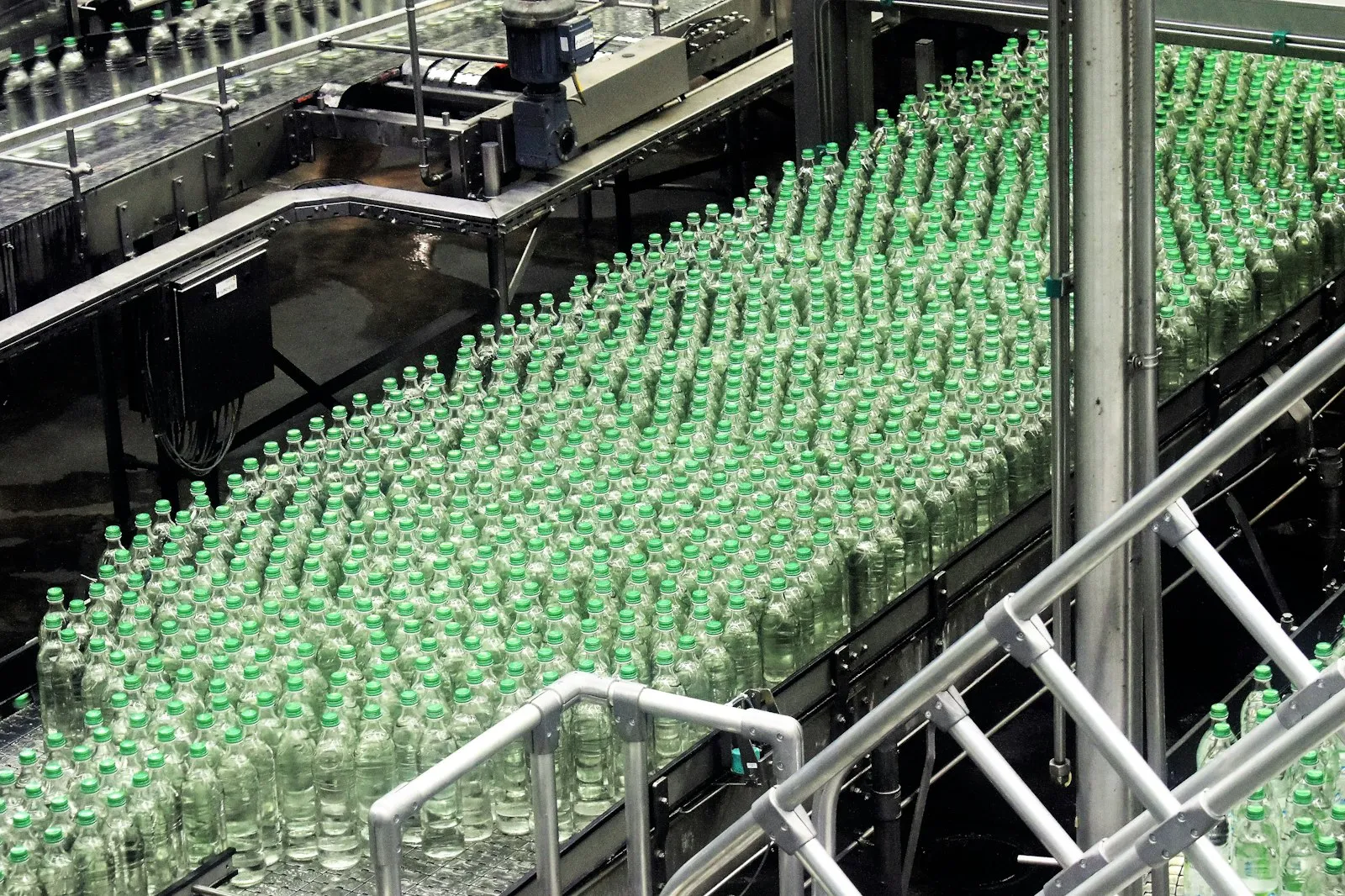
At a small drinks plant the production lead is often the first one in, because the line has to be cleaned and checked before the first shift arrives. The plan for the day is on a whiteboard: two runs of the ginger tonic, one of the lemon, and the label change nobody finished on Friday.
The board says nothing about the 2,400 bottles of ginger tonic a grocery chain ordered last night, or that the glass for them is on a truck somewhere outside Columbus. It does not know that the lemon syrup is down to forty litres, or that the run takes three hours but the quality hold takes two days, and the hold is what decides the ship date.
A good lead carries all of that in their head and is right most of the time. The trouble is the part of the time they are wrong, and the days they are not there.
Where production plans fall apart
Small manufacturers rarely fail at making things. They fail at the paperwork around making things.
- The recipe lives in a notebook. Version three changed the syrup, but the cost sheet still uses version two.
- Shortages show up at the bench. Somebody finds the empty pallet of caps when the run is half filled.
- Waiting time is invisible. Quality holds, curing and drying take days without a person touching the product, and a plan that counts only hours of work promises the wrong date.
- Nobody knows what a batch really cost. The planned cost was set a year ago. The actual cost, with the scrap and the overtime, is never written down.
- A recall means a weekend. If a supplier warns about a bad lot of an ingredient, finding every case it went into means reading through order notes.
What changes in Keelvy
One bill of materials, with versions
Write what a product is made of and how: materials, packaging, the works and the people who do them. Keep each version; the production order, the cost, the reorder plan and the safety data sheet all read the same one.
Time that does not cost wages
Mark a quality hold, curing or drying as time apart from pay. The schedule waits for it, the cost does not charge for it, and the ship date tells the truth.
A schedule that knows the shop
Set shop hours, closures, holidays and the changeover between two products. Production orders queue against that calendar, so you see what fits in the week before you promise it.
Shortfalls that start themselves
Tell a product what to do when an order finds it short: make it, buy it or wait. Routine runs are planned without anyone pressing start, and a shortage of material shows up when the order is placed, not at the bench.
Planned cost beside actual cost
Complete an order with what was really used and how long it really took. Keelvy shows the batch’s actual cost beside the plan, so you know when the standard cost needs resetting.
Batches you can trace
Switch on batch numbers and best-before dates. Start from a supplier’s recall notice or a bottle in hand, and see what went into a batch and every finished batch that carries it. Quality checks on receipt, in process and at the end sit on the same record.
Example: 2,400 bottles for a grocery chain
A buyer orders 2,400 bottles of ginger tonic, 250 ml, for delivery in ten days. Each bottle takes 40 ml of ginger syrup, carbonated water, one glass bottle, one cap and one label, packed twelve to a case.
- The order comes in. Keelvy finds 600 bottles on the shelf and plans a production order for the other 1,800.
- The bill of materials asks for 72 litres of syrup and 1,800 bottles. There are 1,350 bottles: Keelvy marks the gap of 450 and drafts a purchase order to the main glass supplier at its quoted price.
- The schedule places the run on Thursday, after the lemon batch, with a 45-minute line clean. The two-day quality hold moves the earliest ship date to Monday.
- The team completes the order with 1,782 good bottles and 18 rejected at the fill check. The actual cost comes out at $0.94 a bottle against a planned $0.89: the glass was bought at the new price.
The result. The buyer gets a date on Tuesday that holds on Monday, and the owner knows why the margin moved before anyone asks.
What Keelvy does not do
- It does not run your machines or read sensors. People record what was made; Keelvy keeps the plan, the stock and the cost.
- It does not certify anything. It files safety data sheets and lists certificates on your data sheets; the testing is done by your lab.
- It does not replace the judgement of the person on the floor. It removes the counting, so that judgement goes to the work.